[00:00:03] Speaker A: Hello, and welcome to the Consulting Specifying Engineer podcast. I'm your host, Amara Rosgas, and I've connected with Craig Roberts from McKinstry. In this episode, we'll be talking about commissioning and retro commissioning. Thanks for joining me today, Craig.
[00:00:20] Speaker B: Yeah, of course. I'm happy to be here.
[00:00:23] Speaker A: Well, it is great to connect with you, Craig, but before we launch into our discussion, I Let me offer listeners some insights on your background.
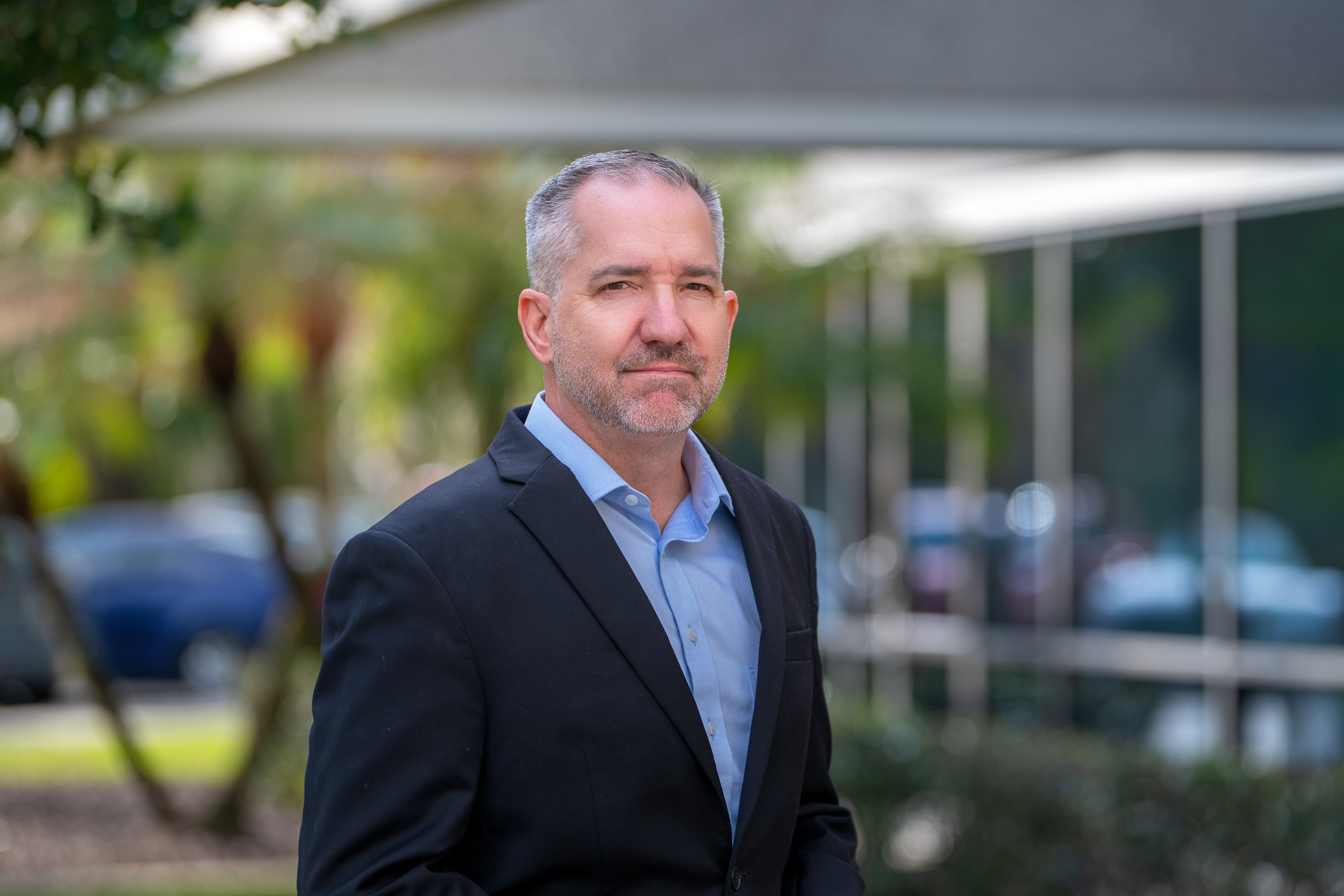
Craig Roberts is an account executive with McKinstry based in Tennessee. Craig's an experienced energy engineer with a strong background in sales, project development, energy auditing, and commissioning. With more than 10 years of experience in the industry, Craig's collaborative and analytical problem solving have allowed him to execute energy efficiency upgrade projects to drive significant savings.
And he's also a member of the Consulting Specifying Engineer Editorial Advisory board.
So, Craig, let me start with the most basic of questions.
What's the difference between retro commissioning or retro commissioning and an energy audit? Can you kind of outline that for me?
[00:01:17] Speaker B: Oh, definitely. It may sound like a basic question, but it seems to be a very confusing thing in the industry a lot of times.
Both the RCX and energy audits, they aim to improve energy efficiency. They differ in their scope and approach. An energy audit is a. Is a comprehensive analysis of energy use in a building, identifying where energy is wasted, recommending improvements. It's more of a diagnostic tool overall. Rcx, on the other hand, it goes a step further.
You're not only identifying the inefficiencies, but you're also focusing on implementation, verifying those corrective measures.
So essentially, if you want it short, it's an energy audit tells you what's wrong, RCX fixes it.
The. The end result. In both cases, you. You get a report that says what's wrong and a scope to take it to completion or implementation.
[00:02:12] Speaker A: Okay, well, based on a conversation that we had just before this, it looks like you're doing some work in hotels. So what are some of the drivers for doing retro commissioning in a hotel? What's. What's the payback involved there?
[00:02:26] Speaker B: Yeah, definitely.
The easy one is it reduces energy consumption. That's the first thing. Everybody understands that when you reduce energy consumption, you reduce your bills. And so that's a major motivator, especially in hotels where utility consumption is a major part of their operational expense.
That, that piece is very motivating. In general, there's also a growing emphasis on the sustainability side, reducing carbon footprints. There's a lot of corporations setting decarbonization goals, and so hotels need to comply with those corporations rules and so the owners are pushing for those, the hotels to comply as well.
Hotels also enhance their brand image by making their hotels more efficient. Eco conscious travelers can pick their hotels over others. There's direct comparison actually within a lot of their websites now that show the carbon per room or per stay per night. And so that's being looked at a lot by travelers.
You improve the operational efficiency as well as the guest comfort and so that's a huge incentive in hotels obviously you're focused on guest experience and so you want those guests to be more loyal and come back again to be repeat visitors.
[00:03:49] Speaker A: Yeah, I've seen that, that Eco travel badge, that's kind of an interesting concept but that must bring on some really interesting challenges for retro commissioning programs in hotels.
What are those challenges?
[00:04:04] Speaker B: Yeah, the challenges that are usually faced up front are understanding what RCX is or what retro commissioning is. I, I found that there's different levels of knowledge when it comes to the staff. They, they've either experienced it and have, you know, 30 years of experience in hospitality, doing maintenance, building hotels even has been in the, the resume of some of these guys that are working there and things like that all the way to people that have just begun working in the position and are learning their, their hotel, learning the, the ins and outs of the equipment there and everything like that. So when it comes to understanding what retro commissioning is, that's the first them and getting the knowledge on the same, getting on the same playing field with them basically.
Then there's also the investment piece. So hotels generally, even though for example a Hilton or Marriott may have a decarbonization goal, Hilton or Marriott don't necessarily own the property themselves.
And so a lot of times the owner of the property, it's a separate entity. So just because Hilton or Marriott made this decarbonization pledge doesn't mean the owner was on board. And so getting everybody on the same page has been an interesting piece of the puzzle. And usually it's a struggle for the corporate entity.
And so that's, that's been something we've been battling with for the last few years when we've been working with hotels is just getting everyone up to speed on what it is, why it's important, the ROI associated things like that.
It's also guest experience is paramount. And so we, they want to make sure that when you're doing the testing for rcx, you're not shutting things down and stopping the guest experience or making things more difficult for them, making them uncomfortable, like thinking about how A building runs. If you shut off the chiller, obviously it's going to get hotter if it's in the depths of summer. And so the directors of engineering are obviously very concerned about that piece. The, the fact of the matter is, when you work with a vendor, if you express the concerns generally a vendor already knows that they're not going to be able to shut down that chiller for very long.
And so just expressing that we have considered that has been a piece of the puzzle or more of the challenging, on the challenging side, I guess, would be the way to say that.
And then resistance to change would be another one. These, these directors of engineering, they know their buildings the best. They've been there for years, and they know that certain things work and certain things don't. And so when you suggest changes, it obviously can upset the apple cart at times.
So convincing people that this is the new way, the right way to go, things like that, is always a challenge as well.
[00:07:04] Speaker A: So it sounds like you have to convince a lot of the key players and I'm sure bringing a really good example to them is one of the best ways that you do it. So give me an example like, where are you in this hotel project? You know, working with a property owner and implementing the whole thing?
[00:07:24] Speaker B: Yeah, definitely. We have, we have a project.
An example project, I guess would be out in California. We have. There's a property, we did an energy audit slash retro commissioning project at that site.
There was a compliance factor. So there's legislation involved here in the motivators as well, but compliance with local legislation required them to perform an energy audit.
And so we came in to assist with that.
We gave them the list of, of measures that we identified when we were on site. And so from there we prioritized what we thought was best, brought it to the director of engineering work with them, and they said, oh, our staff has the capability of performing these measures that you're suggesting.
We'll take those off of this scope list that we're going to bid out. But hey, McKinstry, Craig, can you get bids on the rest of this work to assist us? Because my day to day is, is too busy to handle managing all these contractors and getting all these things going at once. And so we've been assisting them with getting that rolling. Basically, the overall savings that's predicted for that measure or for that project is about 17% of their overall utility bill, which is, it's out of range. It's actually higher than you generally expect. 5 to 15% probably is a safe bet. For retro commissioning, energy audits in hotels is at 17%.
There's obviously outliers where you're going to get even more than what we were finding at this, this location.
Overall, payback wise, what that meant for them, it was about a half year payback, half year to one year payback for the entire study, plus cost of implementation.
So they, they seem very happy and very excited to go forward. And we're actually in the midst of getting the contractors on site, things like that right now.
[00:09:22] Speaker A: Yeah, yeah, that's pretty fast payback for something that large. So how big is this hotel? Like, do you have square footage or anything like that in front of you?
[00:09:30] Speaker B: I don't have it in front of me. I'm remembering, I think it's between, it's around 300,000 square feet, I believe.
[00:09:37] Speaker A: If I remember right, it's a pretty, pretty high impact building then. Cool.
[00:09:42] Speaker B: Yeah, definitely. We work with hotels that range from, or properties that range from 200,000 to 1.5 million square feet. So it's, they all, they all need it and the, it's, it's interesting, but the percentage savings that you get out of each of them is very similar, whether it's 200,000 square feet all the way to the, to the larger scale ones. It's just that the numbers get bigger with a larger scale properties.
[00:10:08] Speaker A: Right, right. So do you see this as the future? I mean, is this something that every hotel or, you know, hospitality type of building needs? Or maybe just what is the future of retro commissioning in general?
[00:10:21] Speaker B: Yeah, I'd say so. Overall, we're pushing toward all legislation and general society is pushing toward the decarbonization sustainability parts and they're making larger commitments and one of the easiest buttons to hit to start that sustainability journey is retro commissioning and energy audits.
When you don't have a good background in that field, that gives you a great perspective on what you have, what you can start with doing. Even if it's not necessarily like full decarbonization, which is usually associated with equipment replacement, you're putting in renewables and things like that, that is a higher expense and higher level. If you're starting to dip your toes into the water, let's say it's the energy audits and retro commissioning. So generally I would say that's probably a great starting point for, for hotels as they're venturing into complying with all these legislative things. When it comes to the future of RCX itself, I, I think we're going to start seeing just like almost every other industry, we're going to get AI portions of this. There's automated testing that I've already started seeing where you can run programs overnight when things can impact people less and things like that.
Then the engineer comes back and looks at those results and then can do further testing on things to determine what extra steps can be done.
Yeah, that's, that's the gist. Right now you're going to have IoT devices that are going to help with a lot of that. There's also, just like I said, the growing awareness of the sustainability that are drive a lot of that.
Yeah, I can't think of too many more right this second.
[00:12:13] Speaker A: Sure, sure. And that all makes sense. So thank you. All right, one last question. You have a shaved ice business.
What the heck is that?
[00:12:24] Speaker B: Shaved ice business. Yeah. So my, my family and I, we, we co own a shaved ice business in Daleville, Indiana. Little, little town.
We, we very much like it. We share in the ownership, share in the duties. Sadly, being living in Knoxville, I, I don't have as much participation in the day to day anymore and I definitely miss it because it's an exciting experience. But in short, we take ice, we shave it down, we put it in cups and we serve it to kids that are really excited about sugar and ice and we enjoy seeing the smiles and the excitement on the kids faces, the, the parents that are so excited to take their sugared up kid home and all that is, is always a blast. But our site is actually at a, what's called a splash pad. It's a small water park in a, in a small town. That splash pad actually has awards for being one of the better ones in Indiana and everything. So we, we get a good crowd, we very much enjoy the work. It's actually named Jeff's Flavored Snow after my little brother who passed away when we, we very much enjoy keeping, you know, him involved in our lives. And, and that's, it's a cool way to tell a story when people ask who Jeff is and things like that. So we, we get to service. Like for example, today I think we're or yesterday we serviced a bus of kids that came from a local elementary school.
And so they, they come out to just hang out at the pad and they just have a blast and have some shaved ice.
[00:14:02] Speaker A: So. Yeah, well, what kid does not like sugar and ice?
You'd struggle to find one.
[00:14:08] Speaker B: This is fair. This is fair.
[00:14:11] Speaker A: Very good. Well, that was Craig Roberts with McKinstry talking about retro commissioning, energy efficiency and shaved ice.
For more information on sustainability energy efficiency, commissioning and similar topics. Visit Consulting specifying
[email protected]. thanks for listening and catch you next time. Bye bye.