[00:00:03] Speaker A: Hello and welcome to the Consulting Specifying Engineer podcast. I'm your host, Amara Rasgas, and I've connected with Vaas Nanadas from Watts Water Technologies. In this episode, we'll be talking about sustainability and green buildings. Thanks for joining me today, Vaas.
[00:00:22] Speaker B: Yeah, thanks for having me, Mara. I'm excited to talk about sustainability.
[00:00:25] Speaker A: Yeah, yeah. It is great to connect with you. And before we launch into our really good discussion here, I want to offer our audience some insights on your background.
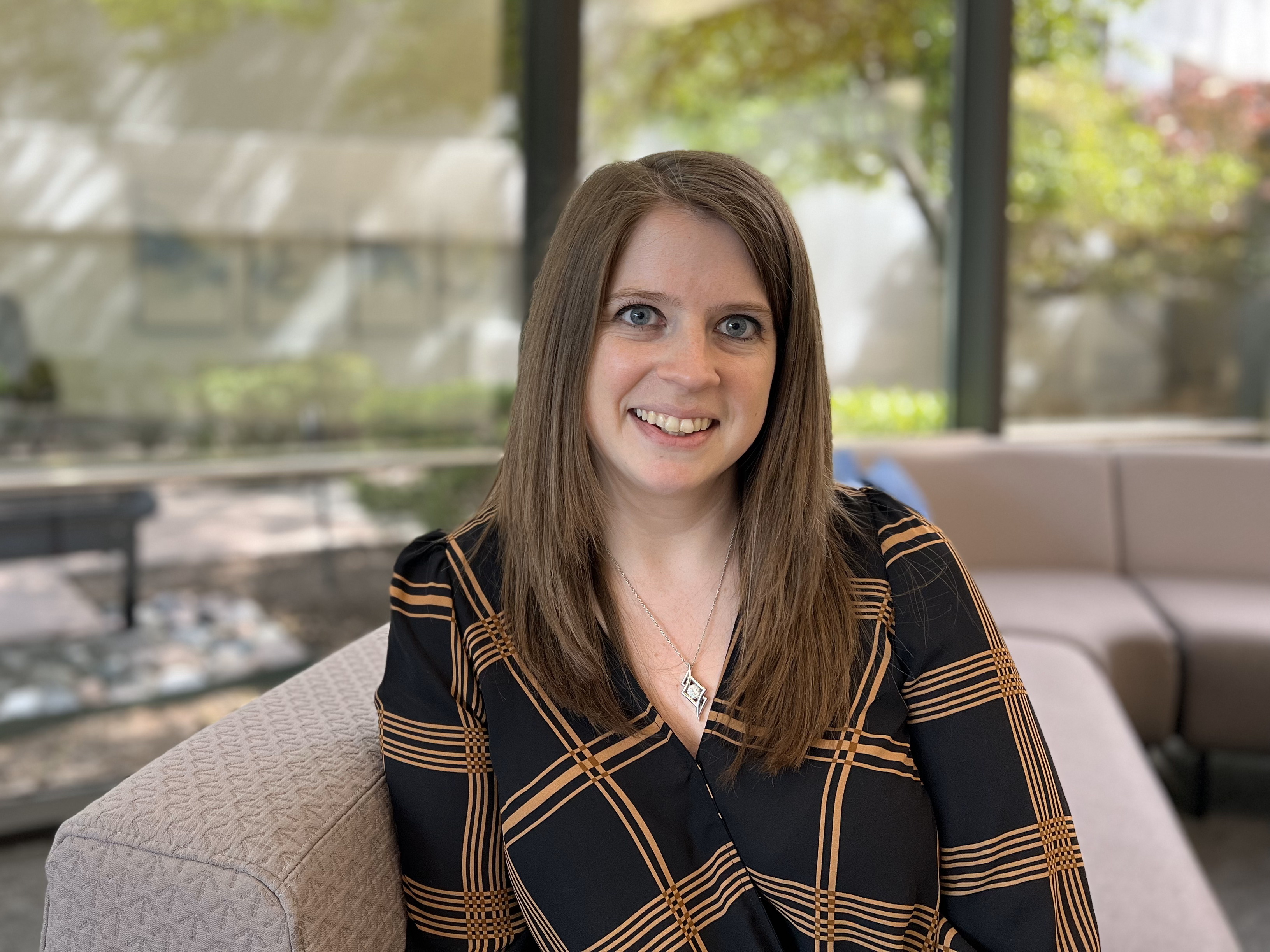
So, Vaas Nanodas is product sustainability engineer for Watts Water Technologies, leading their handprint sustainability program. His background includes roles in sustainability as well as roles as a new product development engineer.
In his current role at Watts Water, he's focusing on integrating sustainability into new product development and marketing, performing lifecycle assessment and using the results to generate environmental product declarations, supporting green building standards and projects, improving how products can help customers to be more sustainable, and creating training around sustainability to improve internal and external knowledge.
Wow, Vaas, so you're obviously busy. Let's start with the most baseline question.
What is sustainability?
[00:01:29] Speaker B: Yeah, and that's actually a great question because there are so many buzzwords and definitions thrown around when talking about sustainability.
So, yeah, it's important to define it from the get go.
The best definition I've actually seen is from the World Commission on Environment and Development, and they define sustainability as the ability to meet present needs without compromising the ability of future generations to meet their needs.
So, you know, this can be applied to many different situations, but it's really about making sure you can operate successfully as either a business or society without negatively impacting future generations.
[00:02:06] Speaker A: Okay, okay, that makes sense. So why is it important in this context?
[00:02:11] Speaker B: Yeah, yeah, definitely. I think it's important for a lot of reasons. So, I mean, first, from an environmental standpoint, I think we can clearly see the negative consequences that we're having on our environment.
You know, there's been record breaking temperatures this summer all over the world, and I think it's one of the first summers where no matter where you are, you can really feel the effects of climate change.
On top of that, you know, water scarcity is becoming a bigger issue and there are many more issues such as air and water pollution and deforestation.
So these are real problems that need to be addressed from an environmental standpoint.
But when it comes to sustainability at a company and why that's important, there's a lot of good reasons for that too.
You know, from a feel good standpoint, it's important to be good stewards to communities where your Business operates. So, you know, I think that's an important aspect. But also from a practical standpoint, you know, sustainability is becoming something that companies must prioritize to be successful. So customers are starting to care and ask about it. And just as importantly, maybe more importantly, investors are starting to require that companies prioritize sustainability.
So from a business standpoint, it's an essential thing to invest in if a company wants to have a successful future.
[00:03:27] Speaker A: So then why, what part of it is important for a company to focus on? And you know, in your description, you talked about footprint. What. What's the difference between footprint and handprint?
[00:03:39] Speaker B: Yeah, yeah, another good question. Because once again, there's so many things a company can look into with regards to sustainability.
But at the end of the day, to have a successful sustainability program, you have to really balance three things, and that's people, planet, and profit.
So this is actually known as the triple bottom line of sustainability.
So people focuses on an organization's commitment to positively impacting society.
Profit is pretty obvious. It focuses on the financial return an organization generates for its stakeholders. And then planet focuses on an organization's effect on the environment.
So if you prioritize and care about these three things, your company will have a successful sustainability program.
And then within environmental sustainability or the planet aspect of sustainability, many times it's discussed in two terms for a company, Footprint and handprint, like you mentioned. So footprint measures the negative impacts that an organization has on the environment, while handprint focuses on the sum of positive impacts an organization can take on to better the planet. So another way to think about that is footprint kind of covers all of the operational and manufacturing environmental impacts within a company. You know, really within a company's four walls. And handprint covers the potential positive impacts that a products can have for customers and for the environment. So kind of expanding out of the company's four walls, what are some positive changes it can have on the environment? And that's what handprint is.
[00:05:08] Speaker A: All right, well, I did not know that difference. Thank you very much.
[00:05:12] Speaker B: Yeah, yeah, I think that's a helpful one. And it's important to consider both, because when you think about sustainability, you obviously want to think about your own impacts and what you're doing as a company and at your manufacturing plants. But you also want to think about hampering how you can help your customers be more sustainable and better the environment outside of just your four walls.
[00:05:30] Speaker A: Okay, well, digging into that a little bit more. What's a life cycle assessment, an environmental product declaration, what makes them important?
[00:05:40] Speaker B: Yeah, yeah, it's a good. It's another good question because so when it comes to sustainability, I think it's really important to have science based, quantifiable metrics to base decisions on and to measure yourself on. So this is really easy to do for. Not really easy, but this is easier to do for manufacturing or footprint that I mentioned because you can measure the amount of energy, water, waste and other utilities that you use at a plant, but it's a little harder to do for a product. So this is where LCAs and EPDs come in. So an LCA or a lifecycle assessment is a scientific method to quantify the environmental impacts throughout a product's life cycle. And then an EPD or an environmental product declaration is a third party verified document that reports the lifecycle impacts in a single comprehensive report. So you can think of an LCA is the actual assessment that you do, and then an EPD is the document that you put out at the end of it, and then that summarizes all of the results from your life cycle.
And it's important for a few reasons. So one, they can both be used for design for sustainability.
So lifecycle assessments or LCAs, help you understand where your biggest environmental impacts in a product are coming from, so you know where to target and where you can try to reduce your impacts. So this is similar to if you're trying to budget and save money, you'll first want to figure out the areas where you're spending the most money so you know where to target. It's the exact same thing for an lca. When you perform an lca, you'll figure out where your biggest environmental impacts are, so you know where to target and to reduce them. To try to design your product sustainably for you know, they can also help with comparing alternative designs so that you could compare the environmental impacts of two different materials or two different manufacturing processes. So when you're in the design phase, if you're not sure about a material to use and you want to be more sustainable, a lifecycle assessment is a really good way to compare two different things.
And then both LCAs and EPDs are also useful for marketing reasons.
So once your LCA is third party reviewed, you can make marketing claims around anything within the LCA or epd.
So this is great for making environmental claims backed by science and avoiding greenwashing, which is a common issue that we're starting to see now. And greenwashing is when a company makes misleading or false claims about the environmental impacts of their product or, or operations. And this can be done both on purpose and accidentally sometimes. So, you know, doing an LCA and EPD and making sure that these things are tied to a science based metric is a great way to avoid greenwashing.
They can also fulfill customer requests and help in areas such as green building, where products with LCAs and EPDs can help buildings get more lead points.
And then we're also starting to see some regulations around EPDs like the Buy Clean act, where in some states and municipalities it's required to look for products with EPDs when doing any government funded construction. So I gave a bunch of reasons, but I think for all the reasons I just mentioned, LCAs and EPDs are important. And more importantly, they're going to continue to grow importance as sustainability grows.
[00:08:56] Speaker A: Well, I am glad that you mentioned greenwashing. I feel like that probably is a big hot button topic. Stephen.
[00:09:03] Speaker B: Important thing to watch out for. Absolutely.
[00:09:05] Speaker A: Yeah. Yeah. So that kind of leads to my next question is what is green building and why is it important?
[00:09:12] Speaker B: Yeah. Yes. A green building, it's a set of rating systems that evaluate the sustainability of the design and construction of a new building.
So there's a lot of different certifications. LEED is the most widely used and probably the one that most people have heard of. But all these green building rating systems all try to look for creating efficient, environmentally friendly buildings. They're focusing on things like water conservation, energy efficiency, responsible material usage, and designing for human health. And they're important because as I'm sure anyone who lives near a city scene, there's a lot of development and construction going on and it's important that it's done sustainably with the local environment in mind. So green building is definitely starting to grow. And especially as sustainability grows important, I think it's going to become even more important over the next few years.
[00:10:05] Speaker A: Let me shift topics here for a second, Vas.
Stepping away from the green aspect of things. I understand you have a dog.
Is Daisy green or what does she look like?
[00:10:18] Speaker B: Yes, I think, I think Crazy Daisy would be very environmentally friendly.
Yeah, I'd love to talk about her. I actually got her about two years ago as soon as I got a fully remote job. I think the first day I got a fully remote job I started looking for dogs.
So yeah, she's an American foxhound, so kind of looks like a larger version of a beagle. And I got her at a shelter when she was about three years old.
And actually one of the fun things I wanted to share, I found her through this website called petfinder.com and it's really great. You can fill out a profile for anything you're looking for in a dog and it matches you to dogs and local shelters around you.
So it's a great way to see, you know, dogs that fit your lifestyle or your interest or your allergies, but also dogs that come from shelters. So just a plug if you're looking for dogs. It's a great site to check out and I'd always recommend adopting a dog from a shelter because if they're anything like Daisy, they end up being amazing dogs.
[00:11:11] Speaker A: So like a dating website for you and a dog.
[00:11:14] Speaker B: It really felt like I was filling out a data profile. Dating profile. It felt a little ridiculous to do, but honestly it worked out fantastic so I would definitely recommend it.
[00:11:23] Speaker A: Great. Well that's great to hear.
So thanks. That was Vas Nanodos from Watts Water Technologies and we have a lot more information on sustainability or similar topics. Just visit Consulting specifying
[email protected]. thanks for listening and catch you next time. Bye Bye.