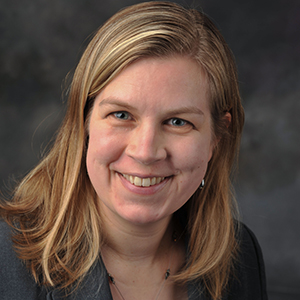
[00:00:00] Speaker A: Hello. And we're here once again for the Consulting Specifying Engineer podcast. I'm your host, Amara Rosgas, and I've connected with Tyler Hake from Schneider Electric. In this episode, we'll be talking about sustainability and building management systems. Thanks so much for joining me today, Tyler.
[00:00:20] Speaker B: Thank you, Amara, for having me. I'm really excited to be here. I think the topic is topical and exciting, so I'm looking forward to the conversation.
[00:00:28] Speaker A: Yeah, yeah, I'm happy that you're here. And before we move into this topic, let me offer our listeners a little bit of insight into your background.
Tyler Hake is the Vice President of Sustainability and Service at Schneider Electric and prides himself on being enthusiastic evangelizer of connected, sustainable and efficient building environments. With more than a decade of experience in the building automation industry, as a customer facing professional, Tyler leverages his expertise in energy efficiency, security and optimized building performance to help shape the future for all types of building experiences in the United States.
So that kind of sets the baseline. Tyler, let me ask you a really broad general question.
How can building management systems be leveraged to optimize energy efficiency in commercial buildings? I mean, looking specifically at, at H vac, lighting or other critical systems within.
[00:01:30] Speaker B: That building, that's perfect place for us to start, Amara. And thanks for teeing us up this way.
The way I look at it is we can use building management systems, you know, to execute on goals that customers have. Right. A big one that we come across a lot is an interest in decarbonization and a path towards net zero. Your end goal might be net zero. It might be some type of reduction that keeps you under tax guidance based on where you're at. But generally speaking, a lot of customers are looking to reduce their energy consumption and their carbon emissions.
A great way to go about doing that is something that we at Schneider Electric like to say is strategize, digitize and decarbonize.
End goal is decarbonized. There's lots of different ways to do that. You got to start with the strategy where BMS comes in, especially for kind of what you mentioned. There different historically disparate systems that are in a facility is focused around the digitization of assets that you'd find in a building. So basically taking anything that performs an operational function in a building, getting digital information about it so that you can start to understand how it can be used better, how to baseline it, how to trend, and how to make sure that we're operating the way that we're looking for and so the biggest piece of that digitization, at least at first with bms, is finding different ways to optimize energy efficiency through sequences that can be performed there and sort of ringing out what I sometimes refer to as megawatts that are in your facility that are kind of there for the taking just by the way that you put a system together. And I think, you know, the last piece that I'll mention on this is there's a big push towards moving to a single pane of glass, as we call it in the industry, for VMs. And that is, let's not have everything siloed so that your H Vac is in one piece under bms and there's other management systems for other portion of your facility.
Let's take all of that information, harmonize it around what we're trying to accomplish in a facility, and then manage that under building automation. So for us, again, to conclude on this, it's about strategize, digitize, and decarbonize that digitization piece that BMS really unlocks for us.
[00:03:56] Speaker A: Okay, so with that in mind, a single pane of glass or those other elements in mind, what are some key design considerations engineers should keep in mind to ensure maximum sustainability outcomes?
[00:04:10] Speaker B: There's two that come to mind for me, you know, if I were speaking to an engineer about, about, you know, how we can kind of bring the future to bear.
One is the use of an integrated automation specification framework, which is oftentimes shown in specification documents as Division 25. So this kind of form of documentation for a spec is a way to ensure that we're thinking about use cases that might be put in place in a facility so that we are connected between different H vac dampers and sensors, products and other things like lighting and access control, CO2 and spaces. So really, that first design consideration is more or less just being intentional about the way we're thinking about how systems come together in harmony.
The second piece is Serviceability.
So sustainability outcomes. 25% of a building's carbon emissions are really going to be produced during the construction process.
75% of a building's carbon emission is going to be spent during the operational phase.
So everything that we design, even if it's perfectly intentioned through Division 25 specification, ultimately where the rubber meets the road is the way that it's serviced down the line. So we want to make sure that we've got systems that are serviceable, they're communicable and connectable, and we're thinking about laying in strategies that inform data analytics so that the service that we perform when we're on the site that we've put so much blood, sweat and tears in designing allows us to make sure that we don't have a deterioration in performance over time, and we are able to move towards those sustainability goals. I do, you know, Amara, have one great example that I like to go back to on this one that sort of brings that all together.
And it's a. It's a customer called Asperia that's in Kansas and works with one of our eco experts called CNC Group. Asperia had this in mind.
It's a, you know, a traditional office campus that was looking to move to more of a live work, play environment. But they had huge sustainability goals because they knew that was something that would help them attract tenants.
And in designing a system and, you know, repurposing a system around service, making sure that, you know, we're treating that system as well as possible, some of the results that you can see are a return on investment of under two years, a 16% reduction in annual annual energy consumption, almost a 40% reduction in carbon footprint, which a lot of people are after these days.
Million and a half bucks in annual energy cost savings and labor savings that are almost $1,000,000, $700,000 a year in looking at a system that way. And I think any designer is probably looking for stories like that in what they're putting together for a customer that is utilizing that system as well as possible. And generally that has to do with, you know, smart service.
Right.
[00:07:24] Speaker A: They're definitely looking for those stories. So what kind of key factors have to be addressed to get that optimal BMS deployment? Where does the engineer come into all of this?
[00:07:36] Speaker B: So it's. It's kind of beginning with the end in mind. It's thinking about those day two needs. Right. So I was just talking about, you know, it's got to be serviceable, and that's where you can really make some huge strides.
But there's a couple things that I would say when you're considering day two needs that are good rules of thumb for the engineering community.
Make it clear and easy and take away what I would call the scary parts. Right. And so what I mean by make it clear and easy is we need to make sure our vision is being properly communicated.
So, you know, incorporate architecture drawings, bms architecture drawings with high performance BMS systems. Now, the Ethernet IP centric mode of doing this, lay it out the way that you expect that it should be put together with an architectural building riser. So that there's no mystification in how this can be executed. I think that's really a great practice. And then the second key factor that I'll mention here is the scary parts. You know, cybersecurity is something that comes up a lot.
It's definitely in our court in the design community to think about an optimal BMS deployment that is using that Ethernet kind of network that we're all towards. But specifying in the latest in cybersecurity standards and the ability to adopt over time through cloud interface.
Examples for this would be, you know, things like antivirus software, basically strong password protection, encryption where possible, and firewalls. So I think all of those are generally appreciated by our customers when we're designing modern facilities. And I would say that those would go a long way in ensuring an optimal deployment of a BMS system.
[00:09:24] Speaker A: Okay, and you just touched on code standards and you talked about Division 25 before. But what other codes and standards or guidelines would will help a consulting engineer when they're specifying these integrated building systems?
[00:09:39] Speaker B: I mean, so lead is the is is a really quick answer that I think the audience would be expecting me to say. And it is super valuable. And customers are asking for it, tenants are asking for it.
Incredible. You know, design standard around the heart of what we're trying to do, which is, you know, build sustainable, efficient places for us to hang out in. But, you know, one that's kind of my near and dear to my heart is ASHRAE guideline 36.
These are high performance sequences of operations for H Vac. You can think of them that way. And what's really nice for the Design community is ashrae36 gives us standardized control sequences that are meant to optimize system performance.
But what's significant is it simplifies that design process because what we're talking about are agreed upon, standardized, proven control sequences that we can, we can expect will work. We don't have to really conjure up something magical to do something that might not be tried. And true. Ashrae 36 helps a lot. And you know, what I mentioned before is kind of my partiality to the phrase of strategize, digitize and decarbonize. And ASHRAE guideline 36 does that. It helps you set a strategy. Okay, we want to be as.
We want our sequences to be as efficient as possible from day one, or in a retrofit of an existing system that we've got in place, let's look at how we're digitizing our system with BMS and implement These optimal sequences that allow us to wring out energy efficiency and move us towards decarbonization. So that's the one for me that I've got a lot of passion behind and I think should be kind of front and center when engineers are thinking about, you know, how to lay out BMS design and sequences for their customers.
[00:11:35] Speaker A: I feel like a lot of engineers don't necessarily understand those sequences of operation.
So is there other low hanging fruit or missed opportunities when you're looking at a sustainable building or maybe when you're retrofitting a building? What does that look like? Tyler?
[00:11:51] Speaker B: Yeah, so I mean, I think low hanging fruit for me brings out a phrase that always comes to mind and it's part of what, you know, buildings of the future should be and that is people centric. Right? So what we shouldn't miss when we're designing facilities is that they are for people to be in and they need to be people centric. And it's, it's low hanging fruit because it's, it almost feels like table stakes for a discussion of what it is that we're all doing with our professional careers.
But if you, if you look at people centricity from a new construction lens, the missed opportunity is not engaging with your end user or your technology partners early enough in the design phase to make sure you understand what their sustainability goals are. Do they need to have a net zero building, something that is 50% better than benchmark? What are those goals? So that we're making sure those are completely baked into what we're designing and they don't get value engineered out whenever the thing is bent. If it needs to be there, let's make sure it's there.
And so that sort of low hanging fruit of a great project that can wind up being sustainable is just collaboration with end users and technology stakeholders. I mean, so it's, it's really people centric around. Let's think about who we're working with and who we can partner with. And then on the retrofit side of an existing building, the phrase that comes to mind for me is people centric. Again, because ultimately what we're looking to do in order to make sure that an existing facility is matching the standards, the really the ever evolving standards of what is expected in a facility today is thinking about people, you know, who are the people that we need to attract and retain as tenants or students or doctors, you know, whatever that segment might be.
And really the retrofits that go into that are all involved in optimizing their experience for how they're working or residing in a facility.
And it comes down pretty frequently to people counting and being smart with how we're using spaces so that we're directing the appropriate amount of outside air to the right people at the right time. And we don't have to over condition what we're putting into place, but it comes down to who's going to be there, when are they going to be there, where are they going to be and what do they need. And so that low hanging fruit is really just thinking about what's the customer want, what's the end user want, and retrofitting to that case.
[00:14:28] Speaker A: Sounds like knowledge is power in this case, in many cases. Yeah.
[00:14:33] Speaker B: Yeah.
[00:14:34] Speaker A: All right, well, let's, let's look at the future. Get out your crystal ball. What are the trends or opportunities that will play a big role for consulting engineers when you're looking at the future of building integration?
[00:14:49] Speaker B: Yeah, obviously this is a fun one for anybody that's listening to a podcast. What's, what's to come? And you know, for me, buildings of the future really have four pillars. We've touched on a number of them so far.
Sustainable, efficient. We've talked a lot about how to make buildings more efficient. Where BMS comes into play, people centric, you know, near and dear to my heart. How are people going to use it? I think one that, you know, rounds out what is important about buildings in the future and trends and opportunities for designers is the resiliency. The buildings that we're, that we're putting into play.
And what I mean by that is grid stability against power outages or weather events, you know, and the ability to incorporate, you know, on site backups. Oftentimes when we think about like a sustainable lens, things like micro grids that can allow us to maintain power in a weather event, but maybe could also allow us to power our electric vehicle fleet that we know people are going to be driving more in the future. So it's that resilient bounce back piece that in my career has become more and more important in the design community and for owners and occupants when they're thinking about the buildings that they're investing in in one way or the other, and then the other kind of all encompassing trends that I think there's, who knows, the various ways that this is going to play out for us is artificial intelligence and generative AI. You know, how are we going to be able to use generative AI to make it easier for us to understand what our systems are in place and how to use Them.
How can some of these AI tools pick up on trends that might be more difficult for us as facility operators to understand what's happening in a facility, to make it so that we're only servicing the most important things on whichever metric we're looking at at any given time with our work order. So I think servicing facilities is going to be much more focused on data analytics and AI and then all the different permutations of how this comes out. I know, you know, some of the podcasts that you've put out previously, you've talked about things like data centers and what, what all that's going to entail for us. You know, as AI becomes more and more important, there's no way around it. This is something that, whether it's in the way that we, you know, design more efficiently or the, whether, whether it's the way that we construct more efficiently, and then I think for sure operate and interface with our facilities differently, AI is going to be a major thing for all of us to be thinking about in the design community.
[00:17:41] Speaker A: Definitely, definitely, fully agree there.
Tyler, it sounds like you know a lot about podcasts.
Do you have a history with podcasts or what, what is going on with you and podcasts?
[00:17:54] Speaker B: It. Yeah, so it's a forum that's near and dear to my heart. I, I have to tip my cap to you.
You know, the lead in for this was, was really professionally done and I know what goes into it. I, I've hosted a podcast previously put together one for, for Schneider Electric actually, called Next Story up, years ago now, you know, back in 2017 or 2018. And I, I think that it's just, they're really important because you embrace stories. You know, the best way to communicate very important information is through storytelling and trying to be evocative in, in the messaging that we're putting forward. So, like, in this conversation, we could talk real nuts and bolts around sequences or specifications or what could happen, or we could talk about specifics, you know, like customer outcomes or, you know, you know, repeatable things that we could all use, like strategize, digitized, decarbonize, or what goes into buildings of the future being efficient, sustainable people, centric and resilient things that people can stick with. I think podcasts are just, you know, maybe the optimum forum for that because you can consume them anywhere and you can have a conversation with people all over the world or hear, you know, friends chatting as a, as an outsider. So I think they're pretty great and I appreciate the work that you put into, you know, getting this one stood up. And I think you're on like, 25 plus episodes further than I made it, so.
[00:19:24] Speaker A: Yes, there are. Yeah, yeah. Thanks, Tyler. I appreciate that.
[00:19:31] Speaker B: No problem.
[00:19:32] Speaker A: And that was Tyler Hake from Schneider Electric. For more information on sustainability, building management systems, or similar topics, visit Consulting specifying
[email protected]. thanks for listening and catch you next time. Bye. Bye.