[00:00:03] Speaker A: Hello and welcome to the Consulting Specifying Engineer podcast. I'm your host Amara Roskas and I've connected with Fitzmeyer and Tachi's Matt Murley. We'll be talking about high tech manufacturing facilities.
Thanks so much for joining me today, Matt.
[00:00:21] Speaker B: Thanks for having me, Amara. I appreciate the time and excited to talk about the top topic today.
[00:00:27] Speaker A: Yeah. Well, before we launch into this conversation, let me tell you a little bit about Matt.
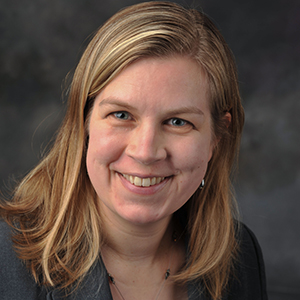
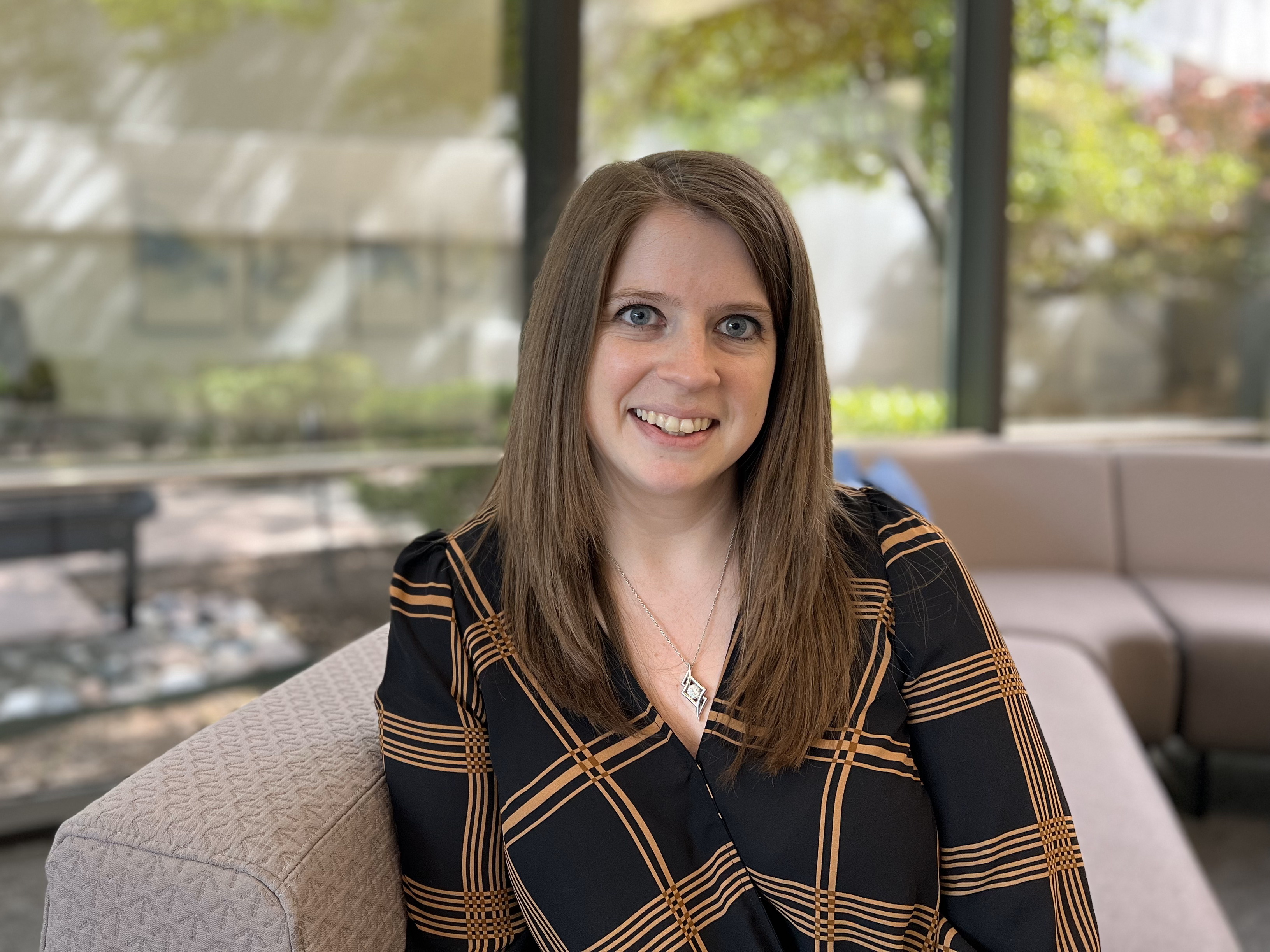
Matthew Murley is the client service director and science and technology market leader at Fitzmeyer and Tachi Associates, based in Woburn, Massachusetts.
As a registered mechanical engineer and lead accredited professional, Matt draws on his 18 years of experience in the AEC industry and to help his clients achieve highly efficient science and technology facilities.
So Matt, we don't talk about this a lot. What are some of the main drivers behind the recent growth in the electronics, semiconductor or high tech manufacturing sector in.
[00:01:10] Speaker B: The U.S.
yeah, so this is a really exciting time frankly to be in this marketplace.
You know, there's, as with anything, there's a lot of factors involved in this. Right. So first and foremost, frankly is just the amount of investment, the amount of dollars that are flowing into the industry. Right. So we had the Chips act, you know, a federally passed law in 2022 which basically pumped a couple hundred billion dollars into the semiconductor side of things. And all of these things are interrelated, right. So you have electronics companies and semiconductor companies, you know, all sort of, you know, supporting, not just the semiconductor fab, so to speak, but then there's all these electronics and support, I'll call it sub industries associated with it. So between the, the federal investment in, on the United States federal side, as well as frankly the venture capital money, there's literally trillions of dollars flowing into this marketplace that in combination with, you know, an on shoring effect that's happening. So you know, basically, you know, all of this technology and all of this work that historically has been maybe done more internationally, there has been more of an onshoring focus, I'll call it, in the United States to try to bring some of that back. Now some of the semiconductor work, for example, I think, you know, particularly on like the defense side or the really high end semiconductor, there's definitely a geopolitical, you know, emphasis to make sure that that technology is done and owned in the United States.
Some of the sort of lower level semiconductor things you'll see in your, you know, chips that are in like your fridge or something like that, I think that'll still be done sort of internationally, but, but Overall and, and not just in semiconductor, but in electronics and advanced tech. There's definitely a push to do more on shoring here in the United States. So a lot of companies are trying to invest a lot of money in the United. In the United States aspect of their company and basically try to do as much as they can over here. And then, you know, lastly is really just the incredible growth that's happened. And this is a huge marketplace between electronics, semiconductor, advanced tech. Over the past, you know, five, 10 years, the advancement that's happened in that between, you know, electronics, materials, all sorts of things have basically come to light. So just the growth of the marketplace has been really, really substantial. I've been doing this, like you said, for about 18 years or so, and in the past, I would say five or 10 in particular, has just been incredible growth and a lot of excitement in that industry. So, you know, that leads to, obviously, a lot of challenges, but it's a really, really exciting time to be in that market.
[00:04:04] Speaker A: Right, right. And so obviously, this does touch a lot of other industries. So what are some of the challenges for architecture, engineering, construction in supporting these really big, complex projects?
[00:04:17] Speaker B: Yeah, so I think the big thing, I mean, one thing, and it's not, I guess, specific to, you know, I'll say electronics, but in general, I'd say in the engineer. And like, the AEC industry is, frankly, there's just.
We're kind of short on construction workers, on engineers, on architects.
One in four contractors are older than 55. So there's this huge turnover happening in our industry right now.
And then you combine that with the fact that these projects are so technically advanced, they're so challenging, they're so complex that, you know, you have a lot of new blood coming into the marketplace. Not enough people in the marketplace, and a lot of people retiring, and there's incredible, incredible wealth of knowledge that's leaving the marketplace, you know, So I think one of the challenges that we're facing is making sure that that knowledge base is being passed off to the next generation of engineers, contractors, owners.
That's a super critical aspect. And again, that's. That's sort of emphasized in the types of these types of projects because they're so complex. But I think that's just a general, you know, issue in our industry, frankly.
You know, the other challenge is, frankly, the permitting with these things. This isn't just hooking up a, you know, building a new house in a neighborhood with the amount of permitting that happens. Water, wastewater, air permitting, local, state, federal, that sort of thing. There's a lot of intricacies to getting these buildings designed up and running and moving in the right direction. And a lot of intricacies for the owners too, even once they get moving. A lot of perpetual permitting applications they have to do and things like that. So, so that's a challenge to get ahead of. You can't just start designing and cross your fingers and hope everything's going to work with things like the utility or the, you know, the authority having jurisdiction, you know, or local boards or wherever the, wherever the buildings are going. So that's a huge challenge on the permitting side. And then lastly is just the amount of energy that these buildings use. You know, again, there's a ton of water, tons of wastew.
The power in these buildings is enormous. So again, it's not just hooking up a small, you know, load on the grid. This is an enormous.
These buildings have such intense, you know, energy density that you really need to be working with utilities when you even start thinking about this sort of thing, because it might not just be tapping into the, to the street power, you know, not into the closest power pole and then, you know, running from there.
They might have to be doing substations and upgrades to water treatment plants and wastewater treatment plants and pumping stations and that sort of thing. So it really sort of snowballs in a way when you're doing these sort of facilities. But it's important obviously, in our industry, as with anything, the earlier the better, right? So you need to start getting involved with the utility, getting involved with all the decision makers, you know, that are, that'll be permitting the project and things like that. But those are just a few of the many challenges, I'll say. But those are really, I'd say two or three of the highlights for sure.
[00:07:33] Speaker A: And it sounds like you really have your work cut out for you. Matt, what are some of the opportunities? I mean, obviously you get to be innovative, you get to deliver highly energy efficient buildings.
What other ways are you innovative for facilities in this particular market?
[00:07:49] Speaker B: Yeah, so yeah, that's, that's the critical one. Like I said, when there's such, I mean, you know, challenges mean there's innovative opportunities, right? So when you have buildings that are so dense with power use in these sort of facilities that that brings, you know, a lot of attractive payback opportunities. So if you're doing things like energy recovery and, you know, solar and things like that, whether it's renewables or just ways to make your building more efficient, on the mechanical side, the denser the footprint, right? The denser the amount of power is in the building, the more attractive the paybacks are, because the shorter the paybacks will be. So when we go into these facilities, a lot of times we'll do a study up front, some sort of a due diligence, and try to evaluate different options right between H VAC systems or electrical systems, or identifying a particular renewable source that you could integrate into these facilities.
And it just gives you really, really good opportunity to do those sort of things because they're high cost up front, but since they're using so much power that that payback really comes back very, very quickly. So it's just an attractive option when you have, you know, you have a lot of opportunity for these sort of buildings.
The other one is really geographically, I think, you know, a lot of these buildings, particularly in the, like the, the semiconductor chip fab manufacturing facilities, you really have to think geographically.
You know, it's, it, it's tough to put these facilities in a place that is having ongoing or reoccurring drought and things like that. I mean, you need to have a tremendous amount of water, you need to have a tremendous amount of wastewater capability or absorption capability with your local treatment plants and things like that. So, you know, geographically thinking, I, I think it makes a lot of sense for these national or even international companies to think big picture, think geographically about where they locate these buildings and make sure that they have all the utilities and resources they need to put these facilities online. And then like I said, there's always really, really good opportunity for renewables here. You know, solar PV is obviously the big one. I mean, these are big facilities. So there's typically a lot of space to put these, you know, to put things like solar. But just the demand is so huge that, you know, places like this have a really, really short, attractive payback that should be investigated by the, by the team up front.
[00:10:18] Speaker A: So, Matt, can you give me an example successful project recently that you've worked on?
[00:10:24] Speaker B: Yeah, so we did a project recently in this area and this was an interesting client where, you know, they, they were growing and they had a lot of exciting sort of upfront thoughts, but they weren't at scale yet. So another part of these facilities is, you know, these sort of companies, these sort of advanced tech companies, they really, they might not have every, the capital up front to do what they want as their end product. And what I mean by that is they might say, you know, look, we need whatever 50,000 square feet day one, but you know, in year two, year three, we think we might need to double that, triple that. So they might look for just building space to be able to absorb that. So they're not buying a new building or trying to do an addition two years later, but they're only really maybe using half of that building. So in this particular project, it was an electronics company here in the area.
What we did is we really sized our mechanical systems and electrical systems for that matter. But specifically on the mechanical side, we really sized for modularity. So we're doing that more and more now. So essentially, you know, you're designing, say, your chilled water plant or your hot water plant, but for day one, you might only need, let's say, one or two modules of a. Of a chiller, but you could size the distribution and all those other things and have space for future pumps, for sliding on more modules onto that chiller. So the day one impact is you're only. You're not oversizing this chiller for day one because you're just not using that full hundred thousand square feet. We were only using, say, 50,000 square feet up front. So we're only, you know, buying what's needed for day one, but also understanding that in a year from now, two years from now, that owner might say, oh my God, we do need that additional 50,000 square feet. So making it easy for them to basically have the infrastructure in place to grow those chilled water systems, grow those hot water distribution systems and things like that, where it makes it easier down the road, where they could expand. So basically designing for modularity and building expansion is super critical for these sort of companies, these sort of buildings. So they're not having day one sort of capital issues with all that money they would spend just for systems that are oversized and not needed. But also keeping in mind that in a year or two years down the road, they want to make it as painless as possible to basically expand those systems. So designing mechanical systems, in this particular case, we had modular chillers. We're able to slide more modules onto those in the years to come since then. We've actually done that in the past year or so, and it was really, really successful and I think really beneficial for the owner for the day one upfront cost to be limited, but also make that expansion, you know, easy and painless down the road. So that's. That was a really successful project for us. It was a really exciting project for us that came fruition. And since we did that sort of phase one part, we've since then expanded. So we've actually seen, you know, the fruit of our labor you know, come through, and it's been a really, really exciting project for us. And I think that that applies to this sort of work. It's really, really critical to have that mindset for these sort of companies because they're always growing, they're always changing.
You got to have flexibility and modularity with your system in these sort of buildings.
[00:13:51] Speaker A: Then, stepping back, looking at the big picture, you really want to get everybody to talk and collaborate in advance.
So how can these stakeholders collaborate to drive innovation or efficiency in projects like this?
[00:14:05] Speaker B: Yeah, that's, that's a great question. I think that's the key is that basically that upfront, you know, a lot of the points we've made today have really been about that upfront communication. So things like, you know, what, you know, permitting issues up front, getting involved in the utility, with the utilities picking the, you know, doing a site selection that makes sense geographically with the, with what you need, the resources that you need, and then really, really understanding what they need day one. You know, that's where the collaboration is super critical between owner, architect, engineer, contractor, all the project stakeholders.
That's where it's really, really important to understand, okay, we know you want to be at whatever, a hundred thousand square feet someday, but what do you need day one, and what can we do to make this upfront cost more palatable for you?
That's the critical success factor, I think, on a lot of these projects, because if you just oversize and you build out on everything, you could be in deep trouble on the, when the, when the budget comes in, you know, so you got to work with the, work with the owner to understand exactly what they need and exactly what they need and when they need it. I think that's critical.
And then the other thing is kind of like what we talked about. You need to understand the power density of these facilities. You need to do your best job, sort of doing a due diligence up front and evaluating exactly what sort of equipment, what sort of processes are going in these buildings, and then trying to identify good energy efficiency, you know, or building optimization opportunities.
There's a lot of opportunities both on the renewables and just in traditional, you know, H vac system or electrical system design, as well as architectural, you know, shell packages.
So those are critical. And then, you know, in regards to, you know, a lot of these buildings on the spatial, you know, the space side, you know, spatially these, these buildings are so, so dense because of what they're doing in there. A lot of these clean rooms, you know, their ceilings are going to be completely full with, you know, HEPA filters and lights and sprinklers and basically every, all the support, all the infrastructure that's needed for these, for these facilities. So it's critical to be, you know, coordinating not just upfront, but throughout the process because these buildings, you know, you're squeezing a lot of, a lot of stuff in these buildings so, so that collaboration can help really, really drive innovation and a lot of efficient systems that'll pay back in short order.
[00:16:45] Speaker A: I think you've touched on a lot of different things here, Matt, for people to consider or ask. But what questions should stakeholders ask themselves when planning a new facility or maybe an upgrade of an older facility?
[00:16:59] Speaker B: Yeah, yeah, I think, I think you're right, Amara. We've talked about a little bit of them, but sort of, you know, summing them up basically, you know, obviously there's the sort of non AEC questions is funding. There's a lot of funding out there, private, federal, and then there's a lot of, you know, rebate situations. So funding super critical for these sort of companies and there's a lot of people that can help with that.
Additionally, you know, location, location, location, site selection is critical. So, you know, owners, project stakeholders really need to work together to identify the best location for these buildings and then like I said, identifying exactly what they need, exactly when they need it to help the design team and the construction team identify, you know, what are the nice to have, what are the need to have sort of things. So, you know, there's nothing worse than working on a project, getting a budget together, and then all of a sudden it, it's way more than an owner might think and, and the project sort of goes away. That's, that's the worst thing that can happen. So the we've had is when we've had that upfront collaboration, the needs list, the nice to have list, that sort of thing. So you could really, really drive, you know, efficient decisions. You could drive exactly what needs to be in the building day one, while also having future expansion and modularity capability.
That's really the driver of success. So those are the sort of things that, you know, owners, architects, contractors, you know, those are the types of things we should be talking about at the, at the onset of these projects.
Okay.
[00:18:33] Speaker A: Okay, so we've looked a little bit into the future trends, but let me take you back to the past. Matt.
I understand you were in a high school garage band, Turtle Lane. What was that all about?
[00:18:48] Speaker B: I was, yes, I was in a, a band properly titled Turtle Lane. We thought we were really good at the time, but I, you know, looking back on it, it's been a good 20, 25 years. Maybe I don't think we're as, as we thought, but we had a lot of fun. It was a lot of fun. So the, the typical sort of garage band playing in my, my parents basement and I'm still friends with a lot of those guys to this day. And there is, there is talk about trying to maybe get back together, doing like a 25 year anniversary concert or something. So we'll, we'll keep all your listeners in mind when we, when we set that date. But it was a lot of fun and, and yeah, it was, it was a good, good time. Funny to think back to that, to that time.
[00:19:34] Speaker A: Well, reunion tours are all the rage, so.
[00:19:37] Speaker B: That's right, that's right, that's right. So we'll keep you in mind for, for ticket opportunities, Amara. So you'll be first in line, I'm sure. So.
[00:19:46] Speaker A: Excellent. Well, thank you. Thank you. Thank you, Matt.
[00:19:49] Speaker B: Thanks, Amara. I appreciate the time and a lot of fun talking about this stuff. It's, it's a really exciting time to be in this, in this marketplace. So yeah, I appreciate your time.
[00:19:59] Speaker A: So definitely it was great to connect with you today.
And that was Matthew Murley with Fitzmayer and Tachi Associates talking about updates in the AEC industry, specifically in high tech buildings.
For more information on mechanical systems, manufacturing and industrial buildings and the related codes and standards, visit Consulting specifying
[email protected].
thanks for listening and catch you next time. Bye Bye.